
Cendol

Malaysian Food
Cendol
Origin
Southeast Asia; particularly Malaysia, Indonesia, Singapore, and Thailand.
Category
Dessert / Cold Sweet Drink
Appearance
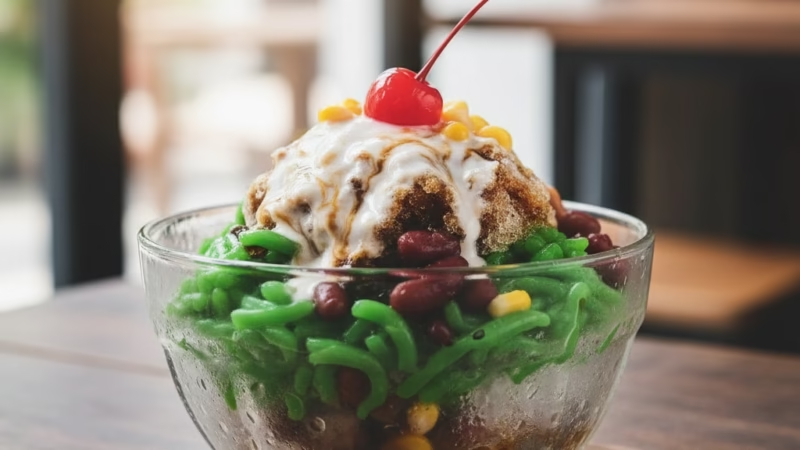
Green, jelly-like strands served in a bowl or glass with coconut milk, palm sugar syrup, and shaved ice. Optional toppings like red beans, sweet corn, or glutinous rice add color and texture.
Ingredients
- Rice flour (for jelly strands)
- Pandan leaves (for flavor and green color)
- Coconut milk
- Gula Melaka (palm sugar syrup)
- Shaved ice
- Optional: red beans, sweet corn, glutinous rice
Preparation
- Mix rice flour with pandan juice to form a batter.
- Boil until thickened, then press through a cendol mold into cold water to form strands.
- Prepare palm sugar syrup by melting gula Melaka with water.
- Assemble by placing cendol strands in a bowl, adding shaved ice, pouring coconut milk, and drizzling palm sugar syrup. Add optional toppings.
Equipment
- Pot for boiling
- Cendol mold or sieve
- Bowl or glass for serving
- Ladle or spoon
Variations
- Durian Cendol – with durian flesh
- Red Bean Cendol – with sweetened red beans
- Ice Kacang – similar dessert with mixed toppings
Taste
Sweet, creamy, slightly earthy (pandan), with caramel-like notes from palm sugar.
Texture
Soft, slippery jelly strands; creamy coconut milk; crunchy ice; optional chewy beans or corn.
Aroma
Fragrant pandan, rich coconut, and caramelized palm sugar.
Sound
Crunch of shaved ice when eaten.
Cultural Significance
A nostalgic Southeast Asian dessert, popular during hot weather and at street markets.
Symbolism
Represents tropical freshness, comfort, and communal enjoyment.
Regional Cuisine
Found throughout Malaysia, Singapore, Indonesia (“dawet”), and southern Thailand.
Social Context
Sold at street stalls, hawker centers, and dessert cafes; often enjoyed after meals or during festivals.
Nutritional Information
- Calories: ~150–250 per serving (varies by toppings)
- Contains carbohydrates, fats, and minimal protein
Health Benefits
- Coconut milk provides healthy fats
- Pandan leaves may have antioxidant properties
Dietary Restrictions
- Vegetarian-friendly
- Vegan if using coconut milk
- Gluten-free if no wheat flour is added
Allergens
Coconut (for those allergic)
Cost
Affordable: typically $1–$3 per serving in Southeast Asia.
Production
Traditionally handmade; now also commercially produced in packaged form.
Sustainability
Low-impact traditional preparation; sustainability depends on sourcing of palm sugar and coconut.
Availability
Widely available at hawker stalls, cafes, night markets, and dessert shops in Southeast Asia.
History
Originated in Java, Indonesia, and spread across the region through trade and colonial influences.
Anecdotes
Often evokes childhood memories and nostalgic rainy-day treats in Malaysia and Singapore.
How to Prepare
- Boil rice flour with pandan juice to form jelly strands.
- Prepare gula Melaka syrup.
- Assemble with shaved ice and coconut milk.
- Add optional toppings like red beans or sweet corn.
- Serve immediately cold.
FAQ
Q: Can I make cendol without pandan leaves?
A: Yes, though pandan gives the signature aroma and green color; alternatives include spinach juice or food coloring.
Q: How long does homemade cendol last?
A: 1–2 days in the fridge; ice should be added just before serving.



Comments are closed.