
Wang Kelian

Wang Kelian, Perlis
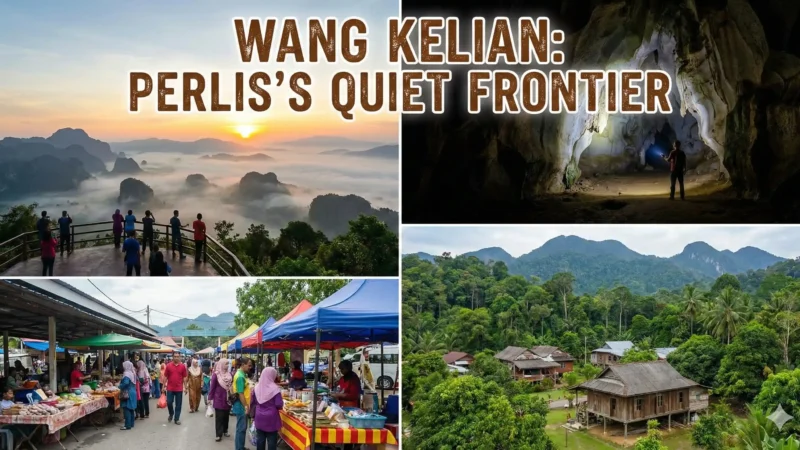
Wang Kelian, positioned at the northernmost edge of Perlis, continues to deliver a high-value, heritage-anchored travel experience. Known for its mist-wrapped hills, cross-border marketplace energy, and unfiltered village charm, the town represents the kind of destination that blends legacy tourism with modern uplift potential.
This 2025 guide operationalizes key insights to help travelers navigate Wang Kelian with clarity, precision, and maximum experiential ROI.
Location & Accessibility
Strategically located near the Malaysia–Thailand border, Wang Kelian sits within the Perlis State Park ecosystem, offering frictionless connectivity for travelers targeting ecotourism, border shopping, and rural immersion.
Access Pathways:
- By Road:
- From Kangar: ~53 km, 1 hour
- From Padang Besar: ~40 minutes
- Nearest Airport: Sultan Abdul Halim Airport (Alor Setar) — ~1 hr 30 mins
- Public Transport: Limited; visitors typically rely on private vehicles, chartered vans, or ride-hailing from neighboring towns.
This infrastructure profile enables streamlined travel planning while maintaining the destination’s low-density, nature-forward appeal.
History & Background
Wang Kelian’s origins are anchored in traditional settlement patterns and ancient forest pathways connecting the Malay Peninsula to southern Thailand. Historically, it operated as a cross-border trading node, especially known for its weekend markets where locals and visitors crossed with minimal restrictions.
In recent years, with updated border regulations and focused conservation initiatives, the area has repositioned itself as a green-tourism corridor, leveraging the natural assets of Perlis State Park and the geopark-rich Nakawan Range.
Local Lifestyle & Culture
The community represents a classic northern Malay village culture—rooted in agriculture, cottage crafts, and strong family networks. Daily life revolves around:
- Early-morning markets
- Farming routines (paddy, fruits, herbs)
- Cross-border cultural exchanges
- Traditional culinary practices
- Respect for nature, particularly the limestone hills and forest reserves
Visitors will notice a slower tempo, providing a high-touch, authentic cultural interface.
Top Attractions & Things to Do in Wang Kelian
1. Perlis State Park (Taman Negeri Perlis)
A high-impact natural asset boasting Malaysia’s longest continuous limestone ridge—the Nakawan Range.
- Hiking trails
- Wildlife sightings (leaf monkeys, hornbills, slow loris)
- Ancient caves and geological formations
2. Gua Kelam
A heritage cave attraction offering a unique walkway experience through a limestone tunnel once used by tin miners.
- Scenic cave river
- Photo-friendly lighting
- Nearby picnic spots
3. Wang Kelian Viewpoint
A must-visit sunrise location.
- Morning mist blankets the valley
- Offers panoramic shots ideal for content creators
- Cool climate pre-sunrise
4. Wang Kelian Border Market
Traditionally a duty-light, cross-cultural bazaar.
- Thai-influenced merchandise
- Local snacks, clothing, accessories
- Authentic border community interactions
5. Kuala Perlis Waterfront (Nearby but popular for Wang Kelian visitors)
- Sunset dining
- Fresh seafood
- Access to Langkawi ferries
Hidden Gems
• Bukit Chabang Twin Peaks
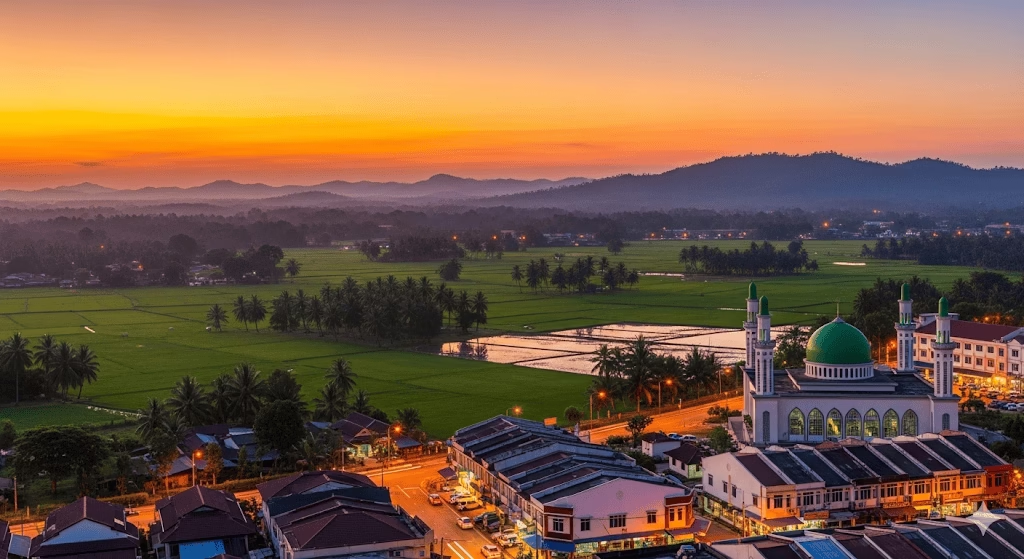
A dramatic rice-field landscape framed by twin hills, perfect for photography and droneShots.
• Kampung Wang Kelian Farming Communities
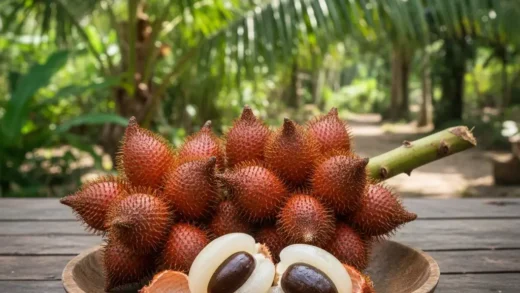
Visitors can experience small-scale farming, herb gardens, and traditional processing of fruits, rice, and natural products.
• Arang Cave & Batu Pahat Trails
Light-to-moderate hiking routes with low foot traffic.
Food & Local Cuisine
Wang Kelian and nearby Kaki Bukit offer a solid portfolio of northern Malaysian flavors:
Signature Dishes:
- Ikan Bakar Perlis
- Laksa Perlis
- Pulut Ikan Kering
- Thai-Malay fusion snacks (due to border influence)
Where to Eat:
- Local warungs around Kaki Bukit
- Hawker food stalls upon approaching Perlis State Park
- Seafood dine-outs in Kuala Perlis (30–40 mins away)
Accommodation in & Around Wang Kelian
The accommodation ecosystem is primarily community-driven, offering value-centric stays:
• Nature Lodges & Chalets
Ideal for ecotourists and hikers.
• Homestays in Kaki Bukit
Authentic village stays offering local meals and cultural immersion.
• Hotels in Kangar or Kuala Perlis
Suitable for travelers requiring higher-spec amenities.
Shopping & Souvenirs
While Wang Kelian’s shopping experience leans toward rustic simplicity, it provides unique border-style merch.
Recommended Purchases:
- Wooden crafts
- Thai-influenced apparel
- Local snacks (kerepek, dodol, halwa)
- Herb-based wellness products
Nearby Attractions & Day Trips
1. Padang Besar Duty-Free Zone
For cross-border shopping with modern retail energy.
2. Kangar City Centre
Cafés, eateries, textiles, and local markets.
3. Kuala Perlis Jetty
Primary gateway to Langkawi.
4. Arau Royal Town
Heritage royal architecture and traditional food offerings.
Travel Tips
- Best time to visit: November–March (cool, misty mornings)
- Bring comfortable walking shoes for caves and trails
- Mobile connectivity may fluctuate in forested areas
- Cash is essential at rural markets
- Apply insect repellent for nature trails
- Early arrival recommended for sunrise viewpoints
Why Visit Wang Kelian?
Wang Kelian is a strategic blend of heritage, nature, and border culture. It provides a differentiated, high-authenticity product for travelers seeking a grounded, scenic escape from urban density. With its renewed eco-tourism focus and community-centric visitor experience, Wang Kelian is poised as a future-forward microdestination with significant experiential value.
FAQ
1. Is Wang Kelian safe for tourists?
Yes. It’s a calm, community-centric area with low traffic and high hospitality.
2. Is the border crossing still open?
Border access varies by regulation. Always check the latest Malaysia–Thailand border advisories before travel.
3. What’s the best time to see the Wang Kelian sunrise?
Arrive between 6:30–7:00 AM for peak visibility, depending on the season.
4. Are there guided tours available?
Yes—local guides offer cave tours, jungle trekking, and park exploration services.
5. Is it family-friendly?
Absolutely. The destination is calm, scenic, and suitable for soft-adventure activities.


Comments are closed.