
ASEAN Commercial Mobility – KL–Ho Chi Minh City Sector Intelligence

Introduction
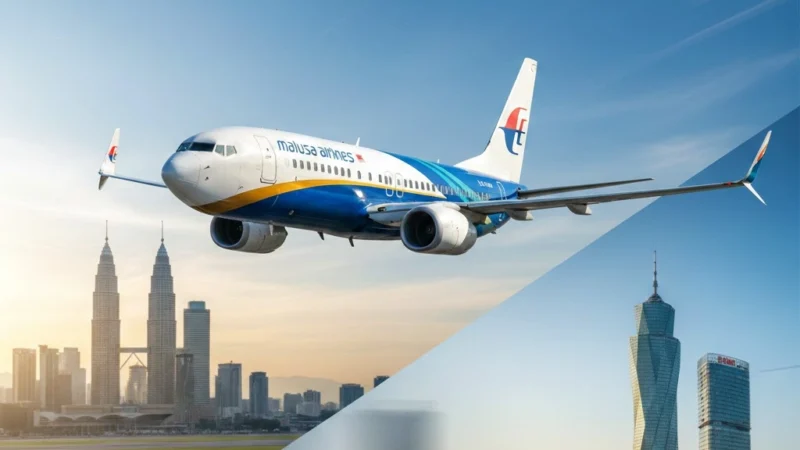
The Kuala Lumpur (KL) – Ho Chi Minh City (HCMC) route is an important commercial and travel corridor within ASEAN. Connecting Malaysia and Vietnam, it serves not only tourists but also business travelers, logistics operators, and investors. With growing trade and investment between the two countries, this corridor has become a hub for economic mobility, logistics development, and sectoral cooperation.
Malaysia–Vietnam Economic Ties
- Two-way trade reached approximately US$14.2 billion in 2024, with expectations to reach US$20 billion by 2030.
- Malaysia is a key investor in Vietnam’s manufacturing, infrastructure, and finance sectors.
- Vietnam is increasingly participating in Malaysia’s business ecosystem, particularly in trade, high-tech, and halal industries.
- Key sectors driving growth include digital transformation, green economy, logistics, and manufacturing.
Transport Connectivity & Sector Overview
- KL–HCMC is served by daily direct flights, with a flight time of around 2 hours 15 minutes.
- The corridor also supports trade and cargo mobility, with Vietnamese ports and industrial zones acting as strategic logistics hubs.
- HCMC aims to become a regional logistics hub by 2030, driving demand for warehousing, freight services, and supply-chain solutions.
Key Opportunities
Logistics & Warehousing
- Partnerships between Malaysian and Vietnamese logistics operators.
- Investment in green logistics, digital supply-chain platforms, and smart warehouses.
High-Tech Manufacturing
- Electronics, machinery, renewable energy, and e-mobility industries.
- Joint-venture industrial parks for export-oriented production.
Halal Economy
- Expansion of halal trade and cooperative business models.
- Opportunities in halal food production, certification, and retail.
Trade Services
- Customs, compliance, and digital documentation services.
- Support for seamless intra-ASEAN trade.
Challenges
- Infrastructure gaps in transport and logistics networks.
- High logistics costs in Vietnam (~16–18% of GDP).
- Regulatory fragmentation and non-tariff barriers.
- Competition from regional and global operators.
- Sustainability requirements for green logistics investments.
Ticket Prices: Kuala Lumpur – Ho Chi Minh City (2025 Estimates)
| Airline | Class | Price (One-way, USD) | Frequency (per day) |
|---|---|---|---|
| Malaysia Airlines | Economy | $120 – $150 | 3 flights |
| VietJet Air | Economy | $80 – $110 | 4 flights |
| AirAsia | Economy | $70 – $100 | 5 flights |
| Vietnam Airlines | Economy | $110 – $140 | 3 flights |
| Malaysia Airlines | Business | $350 – $450 | 2 flights |
| Vietnam Airlines | Business | $330 – $420 | 2 flights |
Note: Prices may vary depending on season, promotions, and advance booking.
Strategic Recommendations
- Logistics Operators: Explore partnerships and invest in sustainable, tech-enabled warehousing.
- Manufacturers: Consider joint-venture industrial zones in HCMC to leverage Vietnam’s cost-effective production base.
- Service Providers: Build expertise in customs, e-documentation, and halal trade facilitation.
- Policymakers: Reduce non-tariff barriers, accelerate transport infrastructure, and promote cross-border regulatory harmonisation.
Frequently Asked Questions (FAQ) – KL–Ho Chi Minh City Corridor
1. How long is the flight from Kuala Lumpur to Ho Chi Minh City?
The direct flight takes approximately 2 hours and 15 minutes. Flight times may vary slightly depending on the airline and weather conditions.
2. Which airlines operate on the KL–HCMC route?
Major carriers include:
- Malaysia Airlines
- Vietnam Airlines
- AirAsia
- VietJet Air
3. What are the estimated ticket prices?
| Airline | Class | Price (One-way, USD) |
|---|---|---|
| Malaysia Airlines | Economy | $120 – $150 |
| VietJet Air | Economy | $80 – $110 |
| AirAsia | Economy | $70 – $100 |
| Vietnam Airlines | Economy | $110 – $140 |
| Malaysia Airlines | Business | $350 – $450 |
| Vietnam Airlines | Business | $330 – $420 |
4. How frequently do flights operate daily?
Flights range from 3 to 5 times per day, depending on the airline and season.
5. What is the best time to travel from KL to HCMC?
- Peak tourist season: November to April – weather is dry and sunny.
- Off-peak: May to October – occasional rain but fewer crowds and lower airfare.
6. Are there visa requirements for Malaysian citizens traveling to Vietnam?
Yes, Malaysian citizens can enter Vietnam visa-free for up to 30 days for tourism or business purposes. Longer stays require a visa.
Conclusion
The KL–Ho Chi Minh City corridor is a vital commercial and travel route for ASEAN mobility. It presents opportunities in logistics, high-tech manufacturing, halal trade, and trade services, while also facing challenges in infrastructure, costs, and regulatory alignment. Strategic partnerships and sustainable investments will be essential to fully capitalize on this growing corridor.


Comments are closed.