
Driving Regional Synergies – KL–Melbourne Route Insights for Global Travellers

Introduction: The Strategic Importance of the KL–Melbourne Route
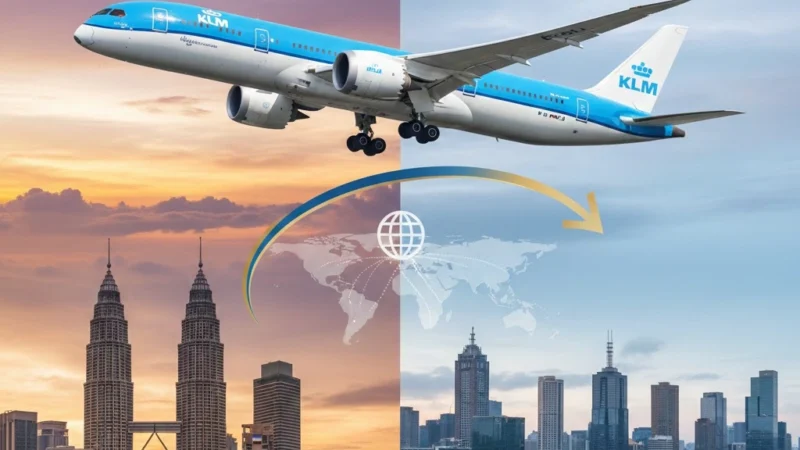
The Kuala Lumpur (KL) to Melbourne route is a vital air corridor connecting Southeast Asia and Australia. Beyond flights, it fosters trade, education, technology, and sustainable infrastructure between Malaysia and Australia. Global travellers, business professionals, and students can benefit from this dynamic connection.
Ticket Information for KL–Melbourne Flights
| Airline | Flight Duration | Average Price (One-way) | Travel Class | Notes |
|---|---|---|---|---|
| Malaysia Airlines | 8h 15m | USD 450–650 | Economy / Business | Direct flight, daily service |
| Qantas Airways | 8h 30m | USD 500–700 | Economy / Premium Economy / Business | Direct flight, flexible booking options |
| Singapore Airlines (via Singapore) | 11h 15m | USD 400–600 | Economy / Business | One-stop option, longer travel time but lower cost |
| Scoot (Low-cost) | 11h 45m | USD 250–400 | Economy | Budget-friendly, limited amenities, stopover included |
Tips for Booking:
- Book 2–3 months in advance for best rates.
- Consider flexible tickets for business or student travel.
- Check airline websites for student discounts or promotions.
- Use Malaysia and Australia travel apps for real-time flight updates.
Economic Synergies: Trade and Investment
- Bilateral Trade: Malaysia and Australia exchange over A$33 billion annually, including commodities, technology, and services.
- Sustainable Port Collaboration: Melbourne Port and Malaysia’s Port of Tanjung Pelepas work together on low-emission shipping and green logistics.
- Investment Opportunities: Opportunities exist in clean energy, digital economy, and infrastructure development.
Education & People-to-People Connectivity
- Many Malaysian students study in Melbourne, while Australian universities have campuses in KL (Monash, Swinburne).
- Programs include vocational training, micro-credentials, and qualifications recognition, supporting professional mobility.
- Research and digital education collaborations create pathways for students and professionals.
Technology, Innovation & Sustainability
- Collaboration focuses on digital economy initiatives: AI, fintech, agritech, and cybersecurity.
- Joint efforts in green infrastructure and sustainable shipping reduce emissions and promote innovation.
- The route enables eco-conscious business travel and promotes knowledge exchange in sustainability.
Travel Opportunities for Global Travellers
- Business Travel: Efficient access to Malaysian and Australian markets.
- Educational Travel: Cross-border programs and research exchanges.
- Sustainable Tourism: Eco-conscious travel experiences.
- Investment Opportunities: Access to joint projects and regional hubs.
- Cultural Exchange: Enriched travel experiences through people-to-people ties.
Challenges and Considerations
- Implementation Risk: Strategic initiatives require consistent follow-up.
- Regulatory Differences: Education, trade, and digital regulations may vary.
- Market Volatility: Economic shifts could affect trade and investment.
- Environmental Compliance: Green initiatives must meet strict sustainability standards.
- Political Dynamics: Policy changes may influence route priorities.
FAQs: KL–Melbourne Travel
Q1: How long is a direct flight from KL to Melbourne?
A: Direct flights typically take 8–8.5 hours, depending on airline and weather conditions.
Q2: What is the average ticket price for this route?
A: Economy class fares range between USD 250–650 depending on airline, travel class, and booking time.
Q3: Which airlines operate direct flights between KL and Melbourne?
A: Malaysia Airlines and Qantas Airways offer direct daily flights. Other options include one-stop flights via Singapore with airlines like Singapore Airlines or budget carriers like Scoot.
Q4: Are there student or business discounts available?
A: Yes, airlines often provide student and business promotions. Check official airline websites for eligibility.
Q5: Do I need a visa to travel from Malaysia to Australia?
A: Malaysian citizens require an Australian ETA (Electronic Travel Authority) or visitor visa, depending on the purpose of travel.
Q6: Is the KL–Melbourne route eco-friendly?
A: Yes, recent partnerships between Melbourne Port and Malaysia’s Port of Tanjung Pelepas aim to reduce emissions and promote sustainable travel.
Conclusion
The KL–Melbourne route is a dynamic corridor that offers trade, educational, technological, and sustainable travel opportunities. For global travellers, it provides access to regional growth, business prospects, and enriching cultural experiences. With strategic planning, this route is poised to become a key hub for regional connectivity and innovation.




Comments are closed.