
Heathrow Airport

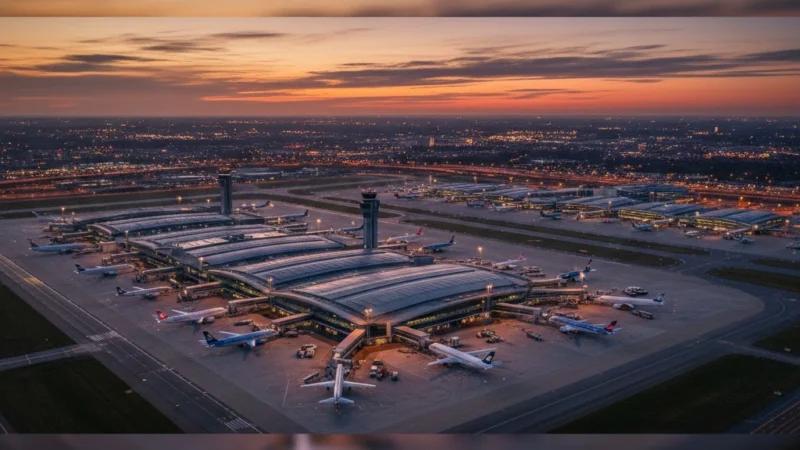
Heathrow Airport (IATA: LHR, ICAO: EGLL) is the primary international airport serving London, United Kingdom. It is one of the busiest airports in the world by passenger traffic and serves as a major hub for both domestic and international flights. Located in the London Borough of Hillingdon, approximately 23 km (14 mi) west of central London, Heathrow is a key gateway to Europe and the world.
History
Heathrow Airport opened in 1946 as London Airport and has grown into one of the largest and busiest airports globally. Originally a small airfield, it underwent major expansions in the 1950s and 1960s, including the addition of new terminals and runways. The airport was officially renamed Heathrow Airport in 1966. Continuous development has made it a modern aviation hub with advanced facilities and infrastructure.
Terminals
Heathrow Airport currently operates four passenger terminals:
- Terminal 2 (The Queen’s Terminal): Opened in 2014, it primarily serves Star Alliance airlines and features modern amenities such as lounges, restaurants, and retail outlets.
- Terminal 3: Handles long-haul flights, mainly for Oneworld alliance airlines and selected non-aligned carriers.
- Terminal 4: Serves SkyTeam alliance airlines and other international airlines.
- Terminal 5: Exclusively operated by British Airways and Iberia, Terminal 5, opened in 2008, offers luxury lounges, extensive shopping, and dining options.
Note: Terminal 1 was closed in 2015 to allow for terminal expansions.
Airlines and Destinations
Heathrow Airport is a hub for British Airways and Virgin Atlantic, among others. It provides flights to over 180 destinations worldwide, including major cities in Europe, North America, Asia, Africa, and the Middle East. The airport handles millions of passengers annually, making it the busiest in the UK.
Facilities
Heathrow Airport provides a wide range of services for travelers:
- Lounges: Airline-specific and independent lounges offering refreshments, Wi-Fi, and business facilities.
- Shopping: Extensive duty-free and retail areas featuring luxury brands, electronics, and souvenirs.
- Dining: A variety of restaurants, cafes, and bars catering to diverse cuisines.
- Accessibility: Services for disabled passengers, including wheelchair assistance and accessible restrooms.
- Other Services: Baggage storage, currency exchange, ATMs, free Wi-Fi, and medical facilities.
Transportation and Access
Heathrow is well-connected to central London and surrounding regions:
By Train
- Heathrow Express: A direct high-speed service to London Paddington in approximately 15–20 minutes. Trains run every 15 minutes.
- TfL Rail / Elizabeth Line: Slower but more affordable connection to central London and other parts of the city.
- National Rail: Nearby stations provide access to regional destinations across the UK.
By London Underground
- Piccadilly Line: Connects all Heathrow terminals to central London and other Underground lines. Trains run approximately every 5–10 minutes.
By Bus and Coach
- National Express & Local Buses: Regular coach services operate between Heathrow and central London, Gatwick, and other towns in the UK.
By Taxi and Ride-sharing
- Black Cabs: Licensed London taxis are available outside each terminal.
- Ride-hailing services: Uber, Bolt, and other app-based services operate from designated pick-up points.
By Car
- Road Access: Heathrow is accessible via the M4 and M25 motorways.
- Parking: Short-stay, long-stay, and premium parking options are available at all terminals. Advanced booking is recommended during peak travel periods.
By Bicycle and Walking
- Heathrow has limited pedestrian access, but dedicated cycle routes are available from nearby areas.
Cargo Services
Heathrow handles significant air cargo operations, supporting freight operators and logistics companies worldwide. The airport processes perishable goods, pharmaceuticals, electronics, and luxury items through its dedicated cargo facilities.
Security and Customs
The airport enforces strict security measures, including passenger and baggage screening. International arrivals go through UK Border Force customs and immigration controls, with automated e-gates available for eligible travelers. Heathrow adheres to both UK and international aviation security regulations.
Future Developments
Heathrow continues to expand to meet increasing demand. Planned projects include a potential third runway, terminal upgrades, and sustainable initiatives aimed at reducing environmental impact. These developments aim to enhance passenger experience while maintaining operational efficiency.
Conclusion
Heathrow Airport is a vital international hub connecting the United Kingdom to destinations worldwide. With modern terminals, extensive facilities, and excellent transport links, it provides a convenient and efficient travel experience for both domestic and international passengers. Continuous expansion ensures it remains one of the busiest and most advanced airports globally.




Comments are closed.