
Key Mobility Channel – KL–Kochi Travel Demand Review

Introduction
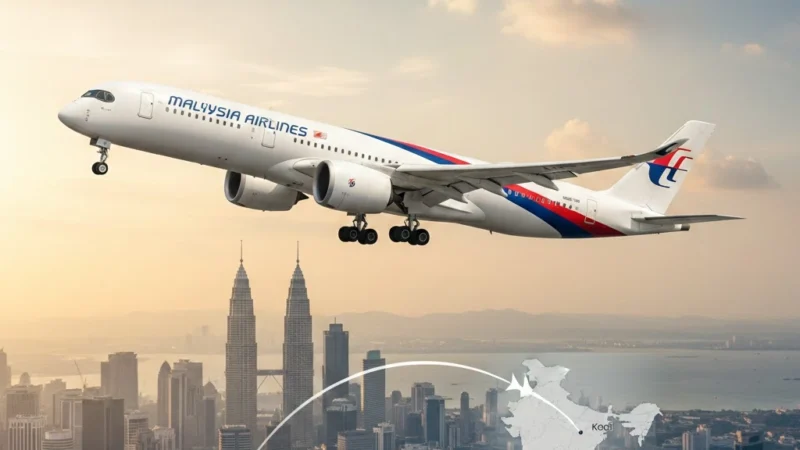
The air corridor between Kuala Lumpur (KUL) and Kochi (COK) has become one of the most dependable mobility routes connecting Malaysia and South India. Driven by strong VFR (Visiting Friends & Relatives) traffic, rising two-way tourism, and increasing trade links between Malaysia and Kerala, the KL–Kochi route demonstrates healthy, all-year demand with peak surges between October and February. This review analyses demand patterns, airline capacity, pricing behaviour, traveller trends, and strategic opportunities for airlines operating in the sector.
Market Overview: Kuala Lumpur–Kochi Aviation Corridor
Kochi is Kerala’s busiest and fastest-growing airport, serving millions of passengers annually. The city’s strategic location along the Malabar Coast and its strong diaspora presence in Southeast Asia make it a high-value origin and destination market for Malaysian carriers.
The Kuala Lumpur–Kochi sector benefits from:
- Continuous VFR demand from the large Malayali community in Malaysia
- Steady tourism flows to Kerala’s backwaters, hill stations, and coastal attractions
- Medical tourism and education-linked travel
- Strong price sensitivity, creating a competitive multi-carrier market
Demand Drivers
1. VFR Traffic
The Malayali diaspora forms one of the largest Indian communities in Malaysia. As a result, year-round VFR travel ensures consistent seat demand with noticeable peaks during:
- Onam
- Christmas & New Year
- Eid Holidays
- Summer School Breaks
These periods often see higher fares and strong booking curves.
2. Tourism & Seasonal Inflow
Kerala’s tourism season peaks from October to March, especially November to February, when cooler weather attracts travellers to:
- Munnar
- Alappuzha Backwaters
- Thekkady
- Fort Kochi
- Varkala
This period reflects elevated inbound travel from Malaysia and connecting passengers via Kuala Lumpur.
3. Business, Trade & Healthcare
Business travel, SME trade engagements, and medical tourism (Kerala’s well-known hospital chains) create weekday demand pockets. Educational linkages add to non-leisure mobility.
Airline Capacity & Route Performance
Airline Presence
The KL–Kochi route is served by a mix of full-service and low-cost carriers, enabling travellers to choose between value options and premium services.
Common operators include:
- Malaysia Airlines
- AirAsia
- Connecting carriers via Colombo, Singapore, and other hubs
This diversified supply ensures strong schedule availability for passengers.
Flight Duration
- Direct flight time: ~4 hours
This short-haul duration enables flexible scheduling and strong point-to-point demand.
Seasonal Frequency Adjustments
Carriers commonly increase capacity during peak travel months (Oct–Feb), deploying additional frequencies or larger aircraft to optimize yields.
Pricing & Fare Behaviour
Typical Fare Ranges
Fares vary widely depending on season, booking lead time, and the competitive environment.
- Promotional one-way fares: Low fare brackets during off-peak times
- Round-trip economy fares: Typically higher during peak tourism and festival windows
- Premium fares: Generally stable with marginal seasonal fluctuations
Passengers can expect the highest prices during:
- Onam
- December festive travel
- Indian school holidays
- January peak for Kerala winter tourism
Strategic Opportunities for Airlines
1. Peak Season Capacity Upscaling
Increasing frequency or deploying higher-capacity aircraft from October to February captures premium yields and unmet demand.
2. Festival-Based Fare Bundles
Diaspora travellers respond strongly to:
- Extra baggage offers
- Flexible return-date promotions
- Group travel discounts for weddings and family events
These can significantly improve load factors.
3. Improved Connections via Kuala Lumpur
Strategic connectivity can attract additional South India traffic through:
- Trivandrum
- Bengaluru
- Chennai
- Hyderabad (via codeshares/interlines)
4. Ancillary Upsell Potential
High-value opportunities include:
- Seat upgrades
- Extra baggage
- Priority boarding
- Travel insurance
- Onboard meal enhancements
Ticket Details for Travellers
1. Flight Time
- Direct: Approximately 4 hours
2. Best Time to Travel
- High season: November–February
- Shoulder season: March–June
- Off-peak (monsoon): July–September — often the best for low fares
3. Travel Tips
- Book at least 6–10 weeks in advance for peak travel
- Monitor fare drops during non-festival windows
- Consider flexible travel dates for the best deals
FAQs
1. Which airlines operate flights between Kuala Lumpur and Kochi?
Multiple carriers operate on this route, including full-service and low-cost airlines such as Malaysia Airlines and AirAsia, with additional connecting options via regional hubs.
2. How long is the flight from KL to Kochi?
The flight takes approximately 4 hours on a direct service.
3. When is the best time to visit Kochi and Kerala?
The best travel window is October–March, with the cool and dry season offering the best climate for sightseeing.
4. Are flights expensive during festival periods?
Yes. Fares typically rise during Onam, Christmas, New Year, and school holiday periods. Early booking is strongly advised.
5. What type of travellers commonly fly this route?
Leisure travellers, VFR passengers, students, business travellers, and medical tourists.
Conclusion
The Kuala Lumpur–Kochi air corridor remains a vital mobility channel linking Malaysia with Kerala’s major economic and cultural gateway. With stable year-round demand, strong diaspora-driven traffic, and significant tourism flows during peak season, the route offers robust opportunities for airlines. Through seasonally optimised schedules, targeted promotions, and enhanced connectivity, carriers can maximise revenue, improve load factors, and strengthen their market presence in the Malaysia–South India aviation sector.



Comments are closed.