
Labuan Peace Park

Introduction
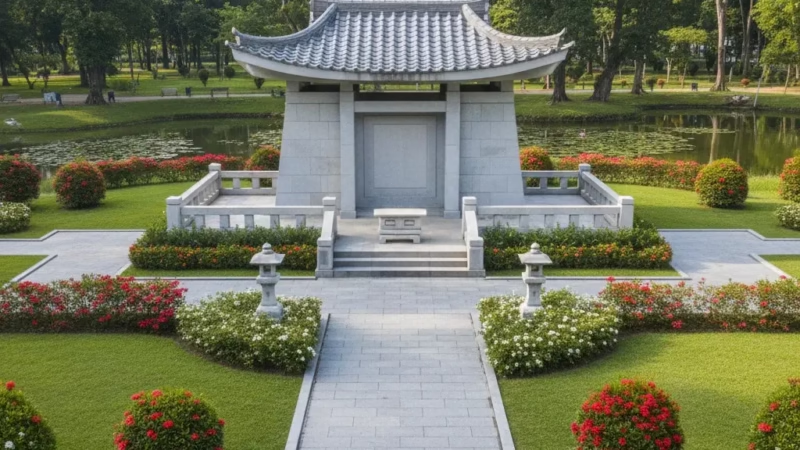
Labuan Peace Park, locally known as Taman Damai, is a poignant World War II memorial located on the western coast of Labuan Island, Malaysia. Established in 1972, the park serves as a symbol of reconciliation and peace between Japan and Malaysia. It commemorates the fallen soldiers who fought in Borneo and its surrounding waters during the war. The park’s serene ambiance, lush greenery, and historical significance make it a must-visit destination for history enthusiasts and peace advocates.
Address
Layang-Layangan Village,
87000 Labuan, Malaysia
Key Facts Table
| Feature | Details |
|---|---|
| Location | Layang-Layangan Village, Labuan Island, Malaysia |
| Established | 1972 |
| UNESCO Recognition | Not listed as a UNESCO World Heritage Site |
| Area | Approximately 2 hectares |
| Highest Feature | Central mound with peace inscription |
| Flora & Fauna | Tropical trees, ornamental plants, koi fish, and birds |
| Popular Activities | Historical exploration, photography, peaceful walks |
| Operating Hours | Open daily from 8:00 AM to 6:00 PM |
| Official Website | Labuan Tourism |
Entry Ticket Fees Table
| Category | Locals (MYR) | Foreigners (MYR) | Guided Tour (MYR) |
|---|---|---|---|
| Adults | 3 | 5 | 10 |
| Children | 1 | 2 | 5 |
| Seniors | 1 | 2 | 5 |
Note: Fees are approximate and subject to change.
Key Highlights
- Central Mound: A prominent feature with an inscription reading “Peace is the best,” symbolizing the renunciation of war.
- Arched Walls: High walls surrounding the mound, inscribed with messages of peace and remembrance.
- Lush Gardens: Well-maintained gardens with tropical trees and ornamental plants, providing a serene environment.
- Reflective Ponds: Ponds with koi fish and bridges, adding to the park’s tranquil atmosphere.
- Proximity to Surrender Point: Located near the Japanese Surrender Point, where the Japanese officially surrendered to Australian forces during WWII.
Things to Do
- Historical Exploration: Learn about Labuan’s role in WWII through informative plaques and inscriptions.
- Photography: Capture the park’s serene landscapes, historical monuments, and natural beauty.
- Peaceful Walks: Stroll through the lush gardens and reflective ponds for a calming experience.
- Visit Surrender Point: Explore the nearby Japanese Surrender Point to understand the historical context.
Best Time to Visit
- High Season (Dry Season): March to October, offering pleasant weather for outdoor activities.
- Low Season (Rainy Season): November to February, with higher chances of rainfall.
- Note: The park is open year-round; visiting during the dry season ensures a more comfortable experience.
How to Reach
- From Labuan Town: Approximately 8 km by car or taxi, taking about 20 minutes.
- Public Transport: Bus number 4 passes near the park.
- Guided Tours: Available through local tour operators, providing historical insights and convenience.
Accommodation Options
Within Labuan:
- Dorsett Grand Labuan: A luxury hotel offering modern amenities and ocean views.
- Hotel Labuan Point: A budget-friendly option with basic facilities.
Nearby Towns:
- Kota Kinabalu: Approximately 125 km away, offering a range of accommodations from budget to luxury.
Eco-Resorts:
- Pulau Papan: An eco-resort island near Labuan, ideal for nature enthusiasts.
Travel Tips
- Permits/Tickets: Purchase entry tickets at the park entrance; guided tours can be arranged on-site.
- Clothing/Gear: Wear comfortable walking shoes and light clothing; bring an umbrella during the rainy season.
- Safety Guidelines: Stay on designated paths; avoid disturbing wildlife.
- Eco-Friendly Practices: Dispose of trash responsibly; avoid littering.
- Photography Tips: Capture early morning or late afternoon for optimal lighting; respect other visitors’ privacy.
Nearby Attractions
- Japanese Surrender Point: Located adjacent to the Peace Park, this historical site marks the location where Japanese forces officially surrendered to Australian forces in 1945.
- Labuan War Cemetery: A solemn site honoring Commonwealth soldiers who died during WWII.
- Labuan Marine Museum: Showcases Labuan’s maritime history and WWII artifacts.
- Pulau Papan: A nearby island offering snorkeling, diving, and eco-tourism experiences.
Conclusion
Labuan Peace Park is a serene and historically significant destination that offers visitors a chance to reflect on the past and appreciate the value of peace. Its tranquil environment, combined with its rich history, makes it a must-visit for anyone traveling to Labuan. Whether you are a history buff, nature lover, or peace advocate, the park provides a meaningful and memorable experience.




Comments are closed.