
Ikan Bakar

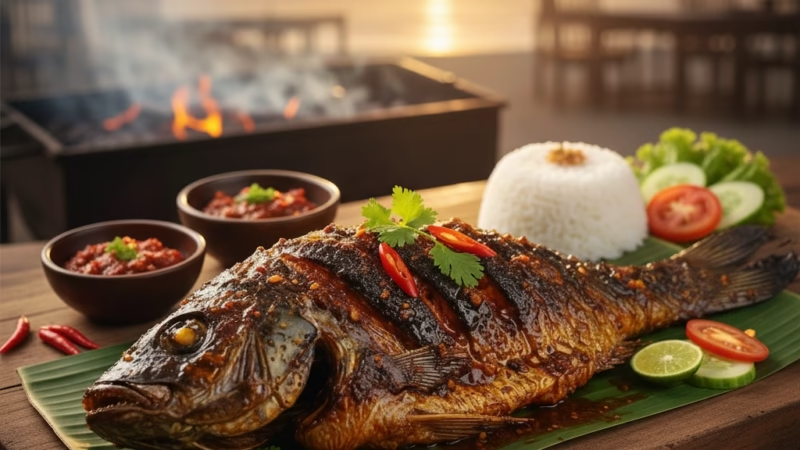
Item / Food Item
Ikan Bakar (Grilled Fish) – a traditional Southeast Asian seafood dish, particularly popular in Malaysia and Indonesia.
Origin
Malay Archipelago, especially coastal regions of Malaysia and Indonesia.
Category
- Seafood
- Grilled / Barbecue
- Street Food / Traditional Cuisine
Appearance
Whole fish, golden-brown and slightly charred, often wrapped in banana leaves and garnished with lime wedges and fresh herbs.
Ingredients
- Fresh fish (stingray, mackerel, snapper, tilapia)
- Marinade: turmeric, chili paste, garlic, shallots, ginger, tamarind, coconut milk
- Salt and pepper
- Garnishes: lime, fresh herbs, sliced chilies, banana leaves (optional)
Preparation
- Clean and gut the fish.
- Marinate with spice paste for 30+ minutes.
- Wrap in banana leaves (optional).
- Grill over charcoal or gas flame until cooked, turning occasionally.
- Serve hot with sambal and rice.
Equipment
- Charcoal or gas grill
- Banana leaves
- Knife and cutting board
- Mortar and pestle or blender for spice paste
Variations
- Ikan Bakar Chili (extra spicy)
- Ikan Bakar Sweet Soy (brushed with sweet soy sauce)
- Ikan Bakar Kelantan Style (tamarind tang and local herbs)
- Ikan Bakar Terengganu Style (smoky and intensely spicy)
Taste
A mix of smoky, spicy, tangy, and savory flavors. Marinade penetrates the fish, enriching its taste.
Texture
Crispy, charred exterior; tender, juicy, and flaky interior. Banana leaves help retain moisture.
Aroma
Smoky aroma from grilling combined with fragrant spices and optional banana leaves.
Sound
Gentle crackle of fish grilling over charcoal.
Cultural Significance
A social dish enjoyed at family gatherings, festivals, and beachside feasts; represents community and hospitality.
Symbolism
Whole fish symbolizes abundance, prosperity, and togetherness in Malay culture.
Regional Cuisine
- Peninsular Malaysia (Terengganu, Kelantan, Johor)
- Sabah & Sarawak (paired with local sambals)
- Indonesia (slight regional spice differences)
Social Context
Found in night markets, street food stalls, and family feasts; encourages communal dining.
Nutritional Information
- High in protein
- Rich in Omega-3 fatty acids
- Low in carbohydrates
- Vitamins B12, D, and minerals like selenium and iodine
Health Benefits
- Supports heart and brain health
- Strengthens bones
- Low in saturated fat compared to fried fish
Dietary Restrictions
- Contains fish (allergen)
- Spicy versions may not suit sensitive stomachs
- Gluten-free if no wheat-based soy sauce is used
Allergens
Fish; sometimes chili or soy-based ingredients in marinade.
Cost
Affordable, ranging from RM15–RM50 depending on fish type and location.
Production
Primarily fresh fish marinated and grilled over charcoal or gas. Banana leaf wrapping is optional but traditional.
Sustainability
Best prepared using sustainably sourced fish; charcoal grilling has moderate environmental impact.
Availability
Available in night markets, street food stalls, seafood restaurants, and coastal eateries across Malaysia and Indonesia.
History
Originally a practical way for fishermen to cook fresh catch using simple spices and charcoal. Over time, it became a staple of coastal Malay cuisine.
Anecdotes
Families often grill fish on beaches during festive occasions, creating lasting memories and communal bonding.
How to Prepare
- Select fresh fish and clean thoroughly.
- Blend spices for marinade and coat fish evenly.
- Wrap in banana leaves (optional) for moisture retention.
- Grill over medium heat, turning occasionally.
- Serve hot with sambal, lime, and rice.
FAQ
Q1: What fish is best for Ikan Bakar?
A: Stingray, mackerel, snapper, or tilapia due to firm flesh that holds well on the grill.
Q2: Can it be cooked without banana leaves?
A: Yes, but banana leaves add flavor and help retain moisture.
Q3: Is Ikan Bakar very spicy?
A: Depends on marinade; can be adjusted to taste.
Q4: Can it be frozen?
A: Freshly marinated fish can be frozen, but grilling fresh fish is recommended for best flavor.



Comments are closed.