
Nasi Lemak

Malaysia’s national dish
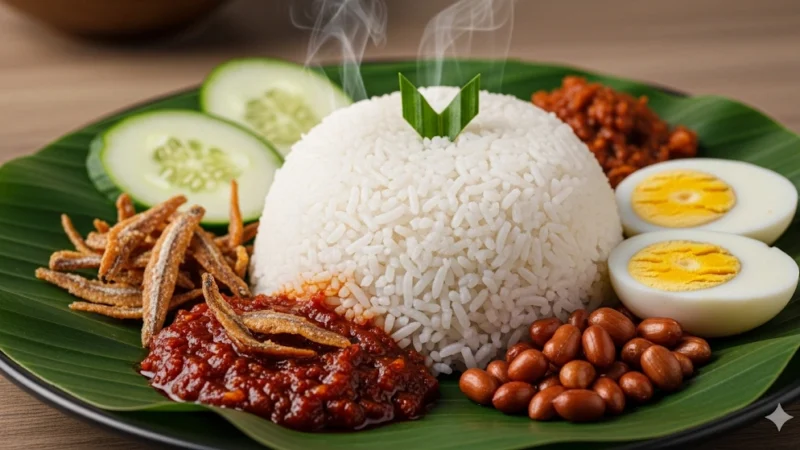
Nasi Lemak is widely regarded as Malaysia’s national dish, a fragrant coconut milk rice meal that epitomizes the nation’s multicultural culinary identity. Traditionally wrapped in banana leaf, it combines rich flavors, textures, and aromas — from creamy rice to spicy sambal and crunchy anchovies. More than a meal, Nasi Lemak is a Malaysian icon, served from humble roadside stalls to five-star hotels.
Origin
The origins of Nasi Lemak trace back to Malay farming communities, particularly along the west coast of Peninsular Malaysia. Early villagers prepared rice cooked in coconut milk (santan) to provide energy for long hours in the paddy fields. Over time, accompaniments such as fried anchovies, boiled eggs, and sambal evolved — transforming it from a peasant meal into a cultural masterpiece.
Category
Main Course / Traditional Meal / National Dish
Appearance
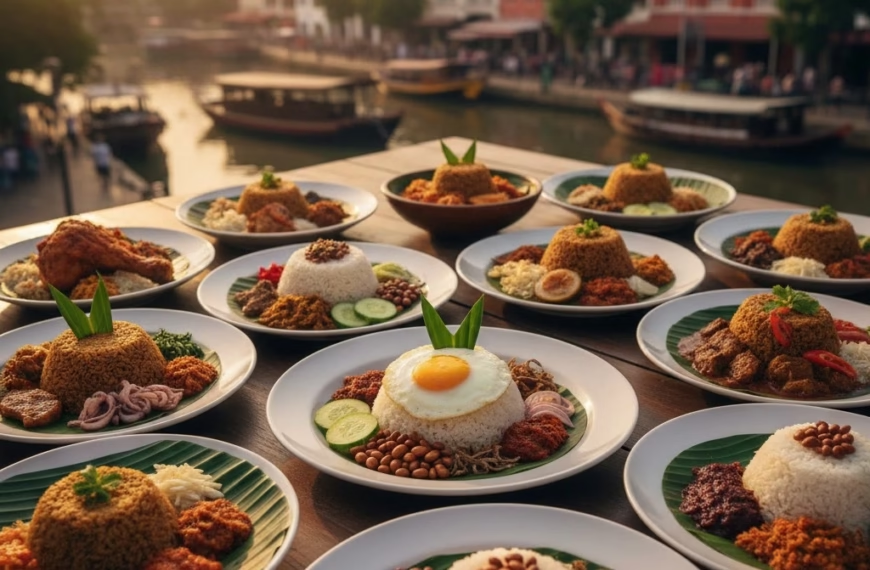
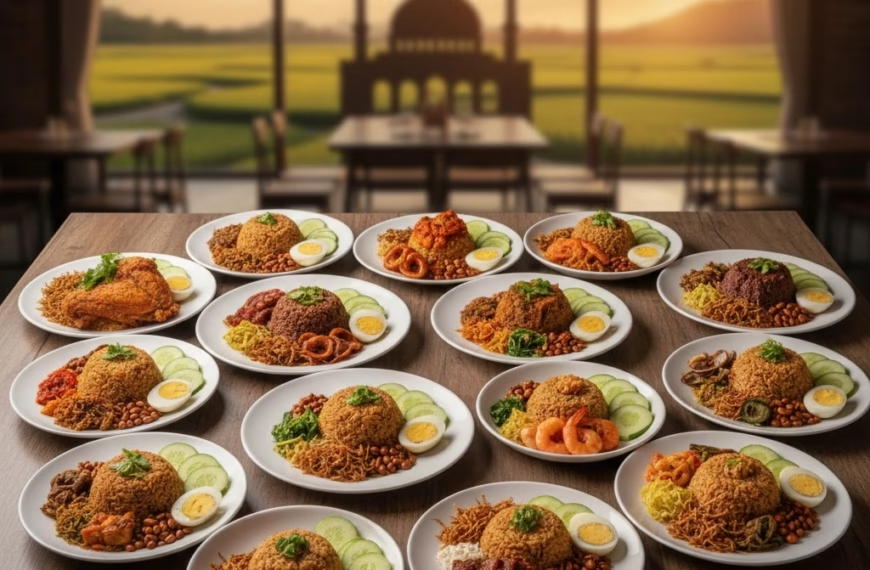
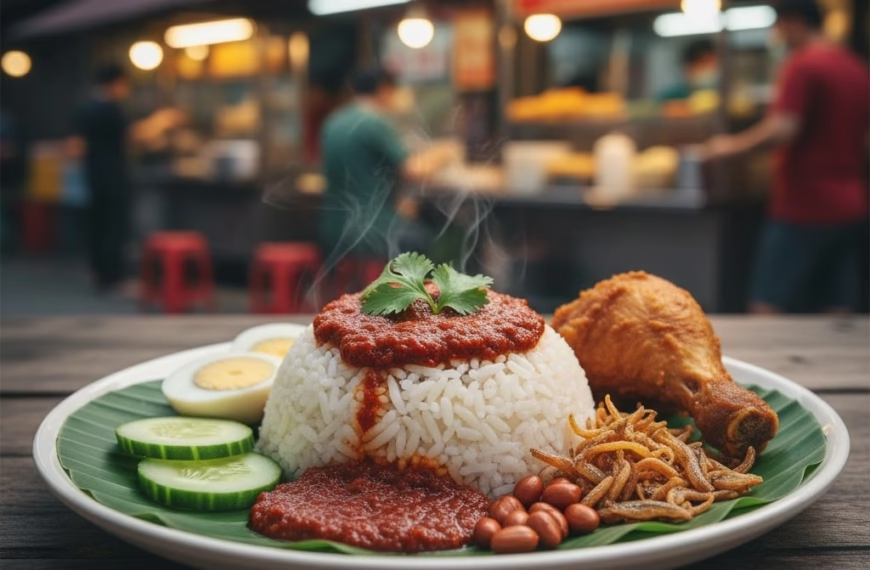
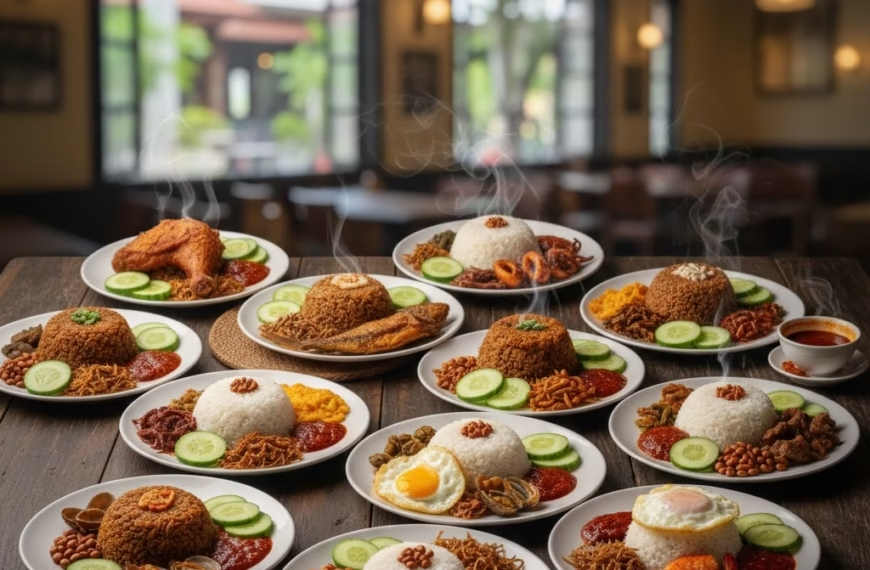
A vibrant, colorful presentation: white coconut rice paired with bright red sambal, golden fried anchovies, roasted peanuts, boiled egg halves, and refreshing cucumber slices — all wrapped neatly in a banana leaf or served on a plate.
Ingredients
- Long-grain or jasmine rice
- Coconut milk (santan)
- Pandan leaves (for aroma)
- Salt and ginger
- Sambal (made with chili, onion, garlic, anchovies, and tamarind)
- Fried anchovies (ikan bilis)
- Roasted peanuts
- Hard-boiled eggs
- Fresh cucumber slices
Optional add-ons: fried chicken, rendang, sambal sotong (spicy squid), or beef paru (fried lungs).
Preparation
- Rinse and cook rice in coconut milk with pandan leaves and salt.
- Prepare sambal by sautéing blended chili paste until aromatic, then add tamarind and sugar.
- Fry anchovies and peanuts until crispy.
- Boil and slice eggs.
- Assemble rice with sides, drizzle sambal generously, and serve hot or wrapped in banana leaf.
Equipment
- Rice cooker or pot
- Wok or frying pan
- Wooden spatula
- Blender (for sambal)
- Banana leaves or serving plates
Variations
- Nasi Lemak Ayam Goreng – served with crispy fried chicken.
- Nasi Lemak Rendang – paired with slow-cooked beef or chicken rendang.
- Nasi Lemak Sotong – spicy squid sambal version.
- Nasi Lemak Kukus – rice steamed for extra fluffiness.
- Nasi Lemak Bungkus – banana leaf–wrapped for takeaway, common in morning markets.
Taste
Rich, creamy, spicy, and slightly sweet — every bite balances the coolness of cucumber, the heat of sambal, and the savory depth of fried anchovies and peanuts.
Texture
Soft and fluffy coconut rice complemented by crunchy peanuts, crisp anchovies, and smooth egg yolk — a delightful contrast in every mouthful.
Aroma
Distinctly Malaysian — pandan leaves, coconut milk, and sambal create a warm, comforting fragrance that fills kitchens and food stalls alike.
Sound
The gentle sizzle of sambal frying and the crisp crackle of anchovies in hot oil — sounds synonymous with Malaysian breakfast culture.
Cultural Significance
Nasi Lemak is more than a dish; it’s a unifying symbol of Malaysia’s diverse society. Found in Malay, Chinese, and Indian eateries alike, it represents shared heritage and national pride. It’s commonly eaten for breakfast but is now enjoyed throughout the day — from roadside stalls to wedding banquets.
Symbolism
The dish symbolizes balance and unity — a perfect metaphor for Malaysia’s multicultural harmony, where diverse ingredients blend seamlessly to create something extraordinary.
Regional Cuisine
| Region | Specialty Style |
|---|---|
| Kuala Lumpur & Selangor | Modernized with fried chicken and sambal sotong |
| Penang | Sweet-spicy sambal with hints of tamarind |
| Johor | Rich coconut rice served with sambal udang (prawn sambal) |
| Sabah & Sarawak | Fusion of local herbs and fish-based sambal |
| Terengganu & Kelantan | Creamier rice and darker sambal using palm sugar |
Social Context
Enjoyed at roadside warungs, school canteens, and corporate cafeterias alike. A favorite for breakfast, midnight suppers, and festive gatherings — embodying the essence of Malaysian everyday life.
Nutritional Information (per serving, approximate)
- Calories: 420 kcal
- Protein: 15 g
- Carbohydrates: 50 g
- Fat: 18 g
- Fiber: 3 g
- Sodium: 500 mg
Health Benefits
- Provides balanced macronutrients — carbohydrates, protein, and healthy fats
- Pandan and ginger aid digestion
- Coconut milk offers good saturated fats in moderation
- Sambal chili boosts metabolism and immunity
Dietary Restrictions
- Non-vegan, due to anchovies and eggs
- Can be made vegetarian by omitting anchovies and using tofu sambal
Allergens
- Peanuts
- Anchovies (fish)
- Possible traces of shrimp paste in sambal
Cost
Affordable — typically RM 2.50–RM 10 depending on location and add-ons. Gourmet restaurant versions can cost RM 15–RM 25.
Production
Prepared daily in both homes and hawker stalls. The rice is often cooked early morning, with sambal simmered overnight for depth of flavor. Many small-scale producers supply pre-packed Nasi Lemak to convenience stores and petrol stations nationwide.
Sustainability
Local sourcing of rice, coconut milk, and anchovies supports small farmers and fisheries. Eco-conscious vendors use banana leaves instead of plastic packaging to reduce waste.
Availability
Universally available across Malaysia — from village stalls to high-end cafés. Also popular in Singapore, Brunei, and southern Thailand.
History
The earliest written record of Nasi Lemak appears in 1920s Malay literature, described as rice cooked in coconut milk served with anchovies. Over decades, it evolved from a farmer’s breakfast to a national treasure — transcending class, ethnicity, and geography.
Anecdotes
Elder Malaysians recall mothers waking before dawn to prepare Nasi Lemak for school or field work. The smell of freshly steamed rice and sambal is deeply nostalgic — a symbol of home and heritage.
How to Prepare at Home
- Use good-quality coconut milk and pandan leaves for authentic aroma.
- Slow-cook sambal for at least 45 minutes to deepen flavor.
- Serve on banana leaf for traditional presentation.
- Pair with hot tea or teh tarik for the full Malaysian experience.
Top Rated Nasi Lemak Restaurant

Malaysia Airlines Economy Class Food Menu
Malaysia Airlines Economy Class menu features Malaysian favourites and global dishes, offering a satisfying dining…

KESUM – Affordable Malaysian Cuisine with a Community-First Approach
Discover KESUM, a Jalan Pandan Indah restaurant offering affordable, traditional Malaysian meals under RM4.99. A…
Top Rated Nasi Lemak Restaurant Near Me
Discover Malaysia’s Top-Rated Nasi Lemak restaurants offering authentic coconut rice, spicy sambal, ad timeless local…
Top 10 Nasi Lemak Restaurants in Miri
Discover the top 10 Nasi Lemak restaurants in Miri you must try! From traditional flavors…

What Malaysians Really Eat for Breakfast (By State)
Discover what Malaysians really eat for breakfast across every state — from Penang nasi lemak…

Top 10 Nasi Lemak Restaurants in Langkawi
Discover the top 10 nasi lemak restaurants in Langkawi, Malaysia. From traditional banana-leaf wraps to…
Top 10 Nasi Lemak Restaurants in Kuching
Discover the top 10 nasi lemak restaurants in Kuching where locals and tourists flock for…

Top 10 Nasi Lemak Restaurants in Kuala Terengganu
Discover the top 10 nasi lemak restaurants in Kuala Terengganu offering authentic flavors, crispy fried…
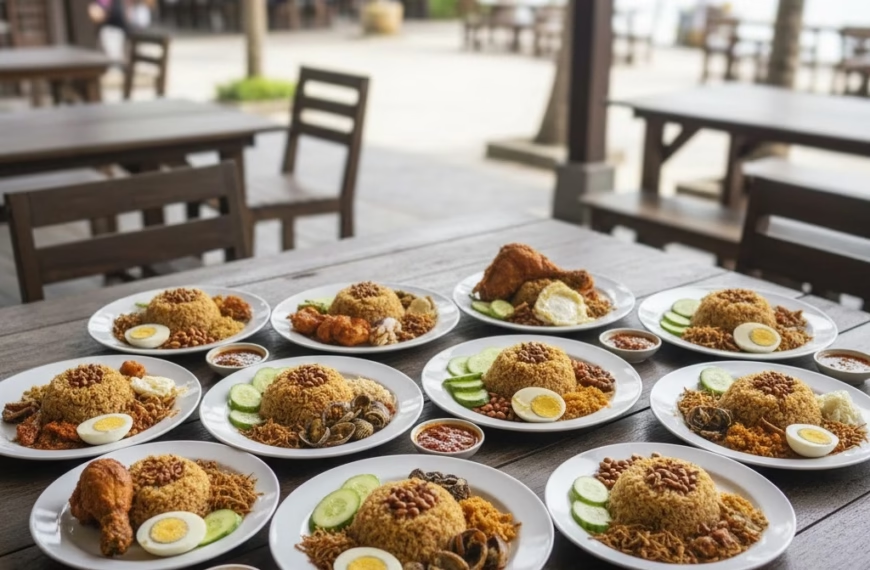
Top 10 Nasi Lemak Restaurants in Subang Jaya
Discover the top 10 nasi lemak restaurants in Subang Jaya offering delicious sambal, crispy fried…

Top 10 Nasi Lemak Restaurants in Petaling Jaya
Discover the top 10 nasi lemak restaurants in Petaling Jaya, from iconic Village Park to…

Top 10 Nasi Lemak Restaurants in Shah Alam
Discover the Top 10 Nasi Lemak Restaurants in Shah Alam serving authentic Malaysian flavors. Explore…
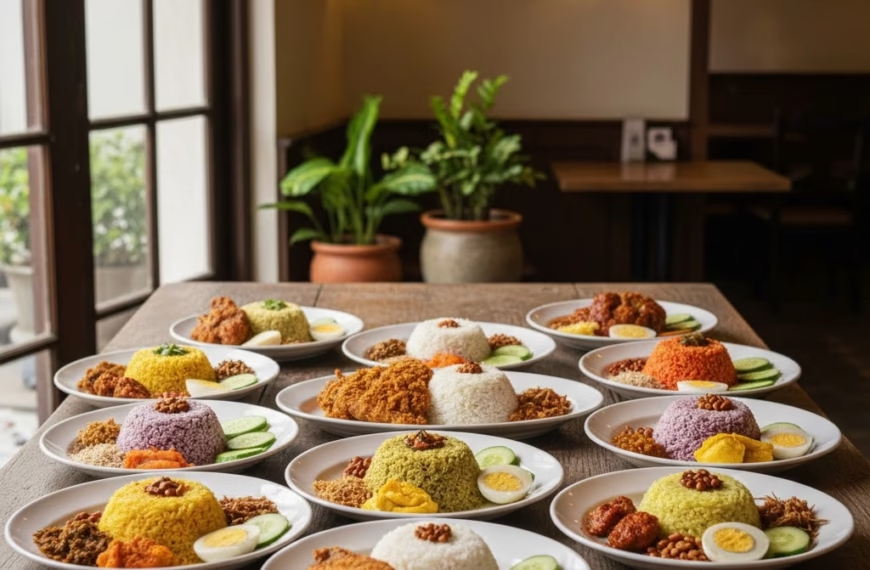
Top 10 Nasi Lemak Restaurants in Ipoh You
Discover the top 10 nasi lemak restaurants in Ipoh with authentic flavors, spicy sambal, and…
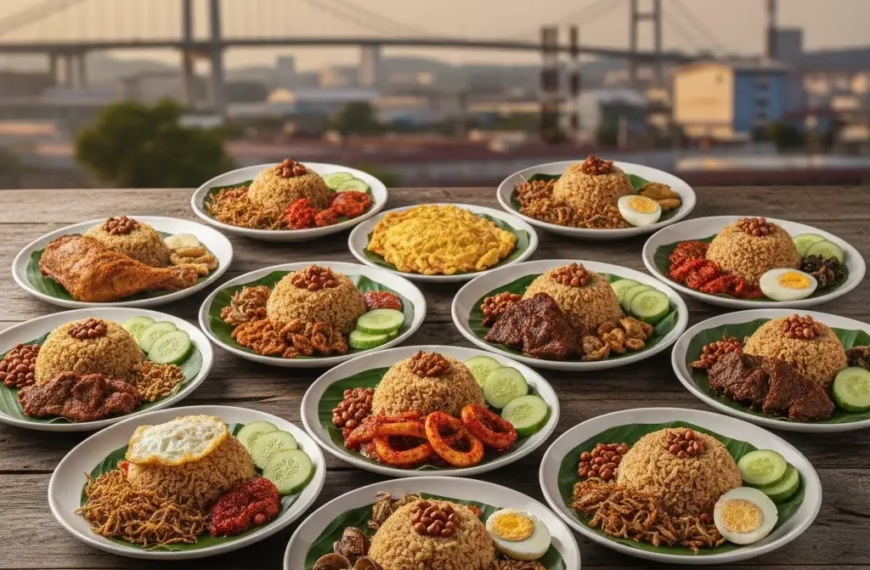
Top 10 Nasi Lemak Restaurants in Seberang Perai
Discover the top 10 Nasi Lemak restaurants in Seberang Perai, Penang. Explore authentic flavors, crispy…
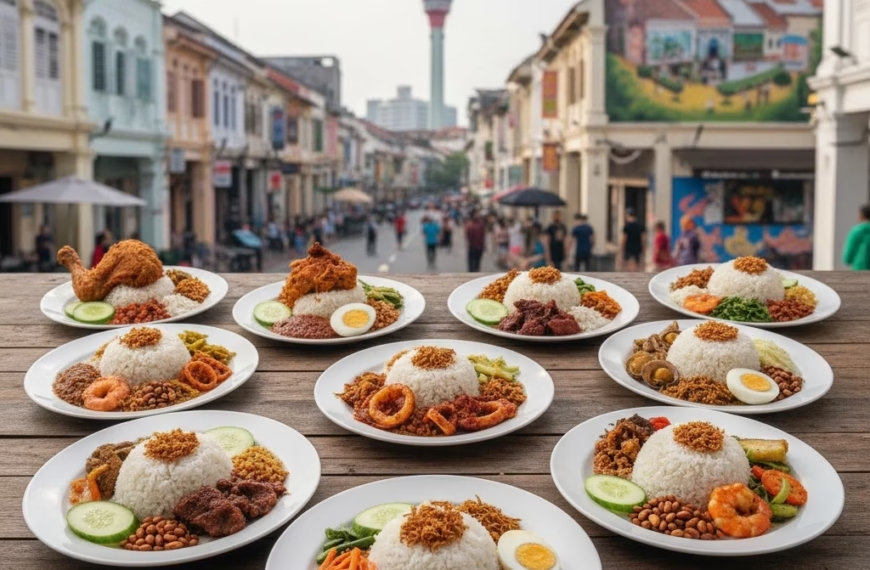
Top 10 Nasi Lemak Restaurants in George Town
Discover the top 10 Nasi Lemak restaurants in George Town, Penang. From traditional hawker stalls…

Top 10 Nasi Lemak Restaurants in Kuantan
Discover the top 10 nasi lemak restaurants in Kuantan offering authentic Malaysian flavors, fragrant coconut…

Top 10 Nasi Lemak Restaurants in Seremban
Discover the top 10 nasi lemak restaurants in Seremban, serving authentic coconut rice, spicy sambal,…
Top 10 Nasi Lemak Restaurants in Melaka City
Discover the top 10 Nasi Lemak restaurants in Melaka City offering authentic flavors, delicious sambal,…

Top 10 Nasi Lemak Restaurants in Kota Bharu
Discover the top 10 nasi lemak restaurants in Kota Bharu where locals swear by the…
Top 10 Nasi Lemak Restaurants in Alor Setar
Discover the top 10 nasi lemak restaurants in Alor Setar you must try from traditional…
Top 10 Nasi Lemak Restaurants in Pasir Gudang
Discover the top 10 nasi lemak restaurants in Pasir Gudang with authentic flavors, unique styles,…
Top 10 Nasi Lemak Restaurants in Iskandar Puteri
Discover the top 10 nasi lemak restaurants in Iskandar Puteri, Johor, featuring must-try dishes, cozy…

Top 10 Nasi Lemak Restaurants in Johor Bahru
Discover the top 10 Nasi Lemak restaurants in Johor Bahru you must try. Explore authentic…
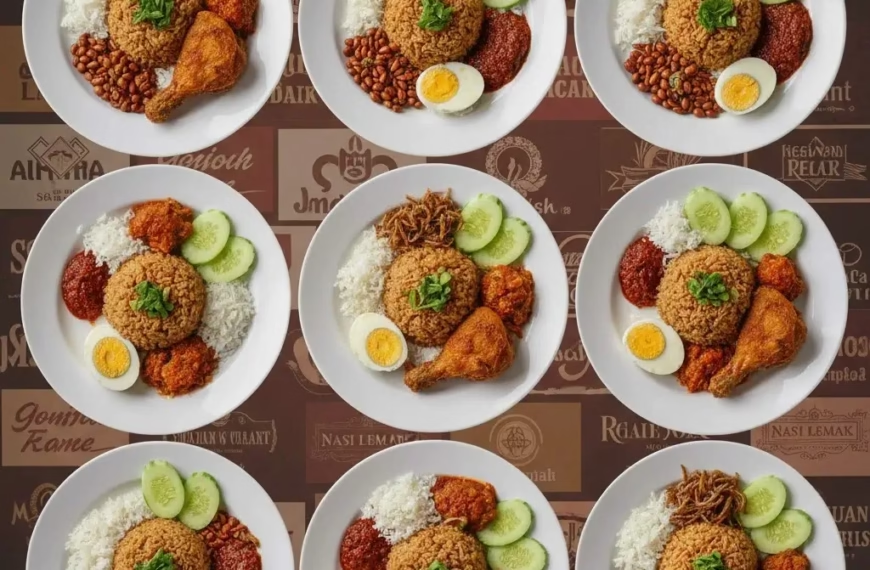
Top 10 Nasi Lemak Restaurants in Labuan
Discover the top 10 nasi lemak restaurants in Labuan offering authentic Malaysian flavors, from traditional…

Top 10 Nasi Lemak Restaurants in Kuala Lumpur
Explore the top 10 Nasi Lemak restaurants in Kuala Lumpur. Find the best places for…
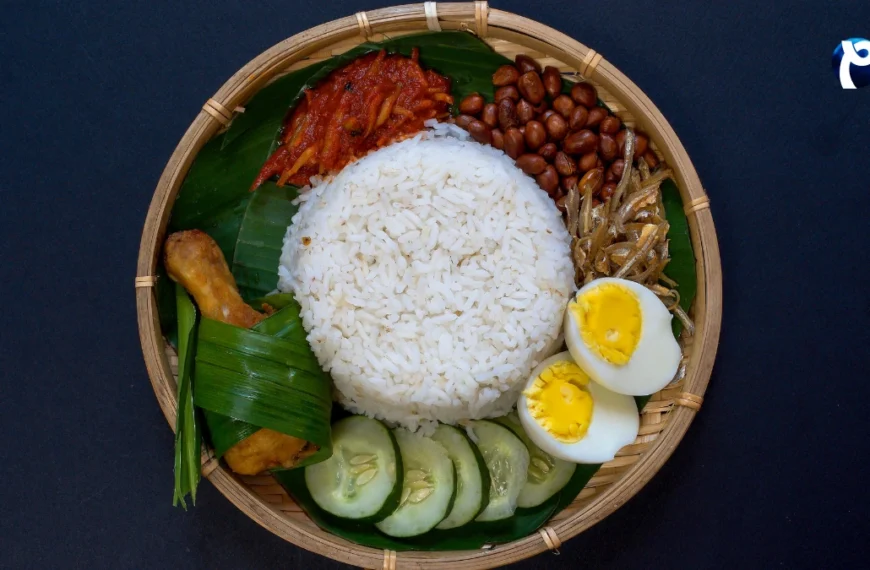
Top 10 Best Nasi Lemak Spots in Kuala Lumpur & Petaling Jaya
Discover the top 10 nasi lemak spots in Kuala Lumpur, serving the best sambal, crispy…

Foodie Foodie @ Kuchai: KL’s Largest Food Court
Discover Foodie Foodie @ Kuchai — KL’s largest food court open till 2 AM, featuring over…

Langkawi Night Markets (Pasar Malam) Schedule, Timings, Locations & Travel Guide
Discover Langkawi’s night markets (Pasar Malam) with daily rotating locations, street food, shopping, and lively…

Top 10 Cheap Eats Under RM10 in Malaysia
Discover the top 10 best cheap eats in Malaysia under RM10! From nasi lemak to…
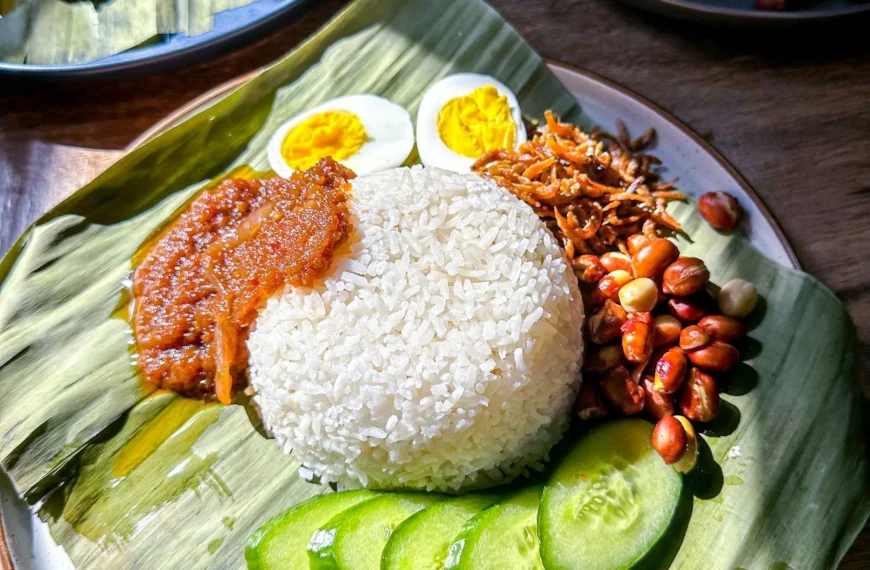
Top 10 Street Foods in Kuala Lumpur You Must Try (2025 Guide)
Explore the 10 best street foods in Kuala Lumpur you must try in 2025. From…
Marrybrown Malaysia Origin Fast Food Chain
Marrybrown is a Malaysian-owned multinational chain of quick service restaurants based in Johor Bahru, Johor.…

The New Madras (TNM) Hidden Cafe Brickfields, KL
TNM Hidden Café brings Chennai’s street flavours to Malaysia. TNM Hidden Café serves up authentic…

A Foodie’s Guide to Malaysia: 7 Best Street Food You Must Try
Discover Malaysia’s best street food, from Nasi Lemak to Char Kway Teow! Explore top local…

Kuala Lumpur
Discover Kuala Lumpur, Malaysia’s capital, home to the Petronas Towers, vibrant markets, rich culture, and…
FAQ
Q1: Can Nasi Lemak be eaten cold?
A: Traditionally, yes. Banana leaf–wrapped versions remain flavorful even at room temperature.
Q2: What’s the best side dish for Nasi Lemak?
A: Fried chicken or beef rendang complements the spicy sambal perfectly.
Q3: Is it only a breakfast dish?
A: No — Nasi Lemak is now a full-day meal, enjoyed anytime.
Q4: How long does Nasi Lemak last?
A: Up to 24 hours if kept cool; refrigerate for longer freshness.




Comments are closed.